Keep the strength,
put down the weight
Counselling therapy for hearts as big as the ocean
Our ancestors lived through the Deportation, the loss of their land, and hardships we can barely imagine. They survived, and their story is still alive in us. They passed down incredible strength and resilience, but also their pain, which many of us still carry, often without knowing it.

Sometimes
you want
to grow and
chase your
dreams, but
something
is holding
you back.
How does intergenerational trauma affect Acadians’ mental health today?
Trauma passed down through generations doesn’t always look the way you’d expect. It slips into everyday life, into our reflexes and our ways of being. Everyone lives it differently, and there’s no right answer. Click to read more:
-
Many of us grew up hearing that our French wasn’t “good enough,” or that we had to hide it to get ahead. That shame can last a long time: feeling shy about speaking in front of others, being afraid of making mistakes, or feeling not Acadian enough, or like you don’t belong anywhere. It can also leave you feeling cut off from a part of yourself.
-
Some of us grew up in English. Not by choice, but because French was pushed out: at school, at work, sometimes even at home, when families decided it would be easier, or safer, to let it go. Over a few generations, the language faded, and with it the songs, stories and ways of being that came with it. If that’s your story, you may feel you’re not Acadian enough, or carry a grief you can’t quite name, a longing for something you never fully got to have. That’s a real loss of identity, and like the other losses in our history, it can leave a mark. It doesn’t make you any less Acadian.
-
After the Deportation and the hard years that followed, many families learned not to talk about painful things. You had to keep going, be strong, and not make a fuss. That helped people survive, but for some of us it can leave behind unspoken feelings, unanswered questions, and a hard time talking about what we feel, even with the people we love.
-
When our ancestors lived through insecurity and loss, they developed a watchfulness to protect themselves. For many of us, that can show up as anxiety, trouble relaxing, a need to control everything, or a feeling that something bad is about to happen, even when everything is fine. If that sounds familiar, it’s something we can explore together.
-
When you come from people who lost everything and worked hard to survive, wanting more for yourself can feel selfish or ungrateful. For some, it looks like trouble taking up space, feeling bad about succeeding, or holding back from your dreams without quite knowing why.
-
The loss of the land, of homes, of families torn apart: these griefs often never had the chance to be mourned. For some, they get passed down as a sadness that’s hard to explain, an emptiness, deep tiredness, or a kind of nostalgia for something we never knew ourselves.
Healing without turning our back on where we come from
Healing doesn’t mean forgetting our ancestors or turning away from our history. It means looking at what we carry, and choosing what to keep and what we’re ready to set down. In counselling, we do that at your pace, in a safe space, without judgment. And if you’re not Acadian, you’re welcome here too.
Every family story carries its own weight and its own strengths, and we can look at them together, in English or French. That includes Acadians who grew up in English and don’t speak French: you belong here too. I work with people aged 16 and older who live in New Brunswick.
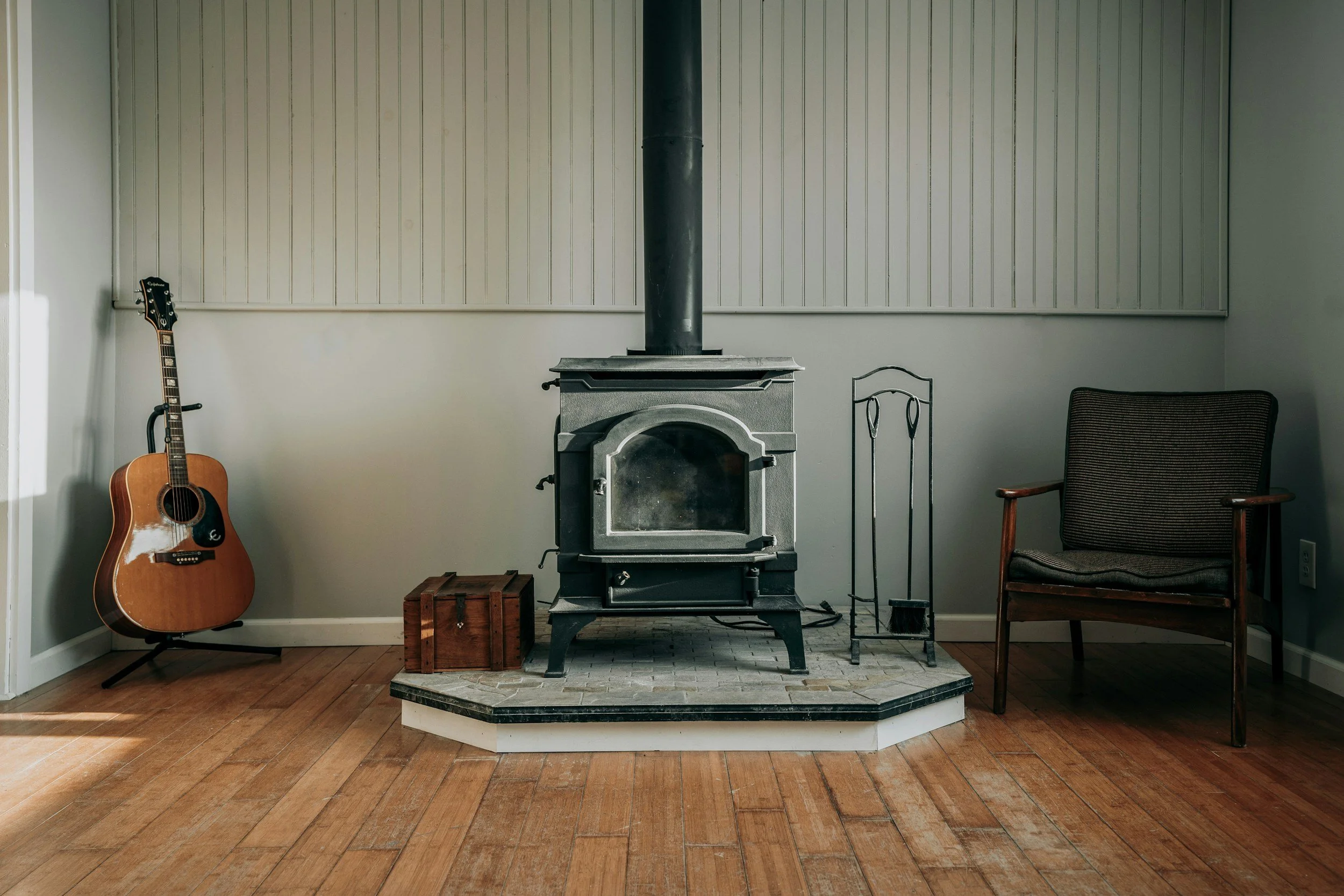
Talk therapy
Putting words to what we carry is often a first. In sessions, we take the time to understand where your reactions, fears and blocks come from, and how they connect to your story and your family’s. There’s no right or wrong way to start. You can speak English, French, Chiac, or a mix of all three.
60 minutes, $160
EMDR
EMDR (Eye Movement Desensitization and Reprocessing) is an approach that helps the brain reprocess difficult memories or emotions so they weigh less in your daily life. You don’t have to tell the whole story in detail. We go step by step, and you stay in control of the pace. It can help with things you’ve lived through, and also with heavy feelings you can’t quite trace back.
We usually start with one or two preparation sessions (talk therapy, 60 minutes, $160) so we get to know each other and you feel safe before we begin EMDR.
For EMDR, you’ll need a screen (a computer or tablet, not your phone). If it gets too intense at any point, we pause. There’s no pressure.
EMDR session: 90 minutes, $200
Music therapy
Sometimes words aren’t enough. Music can reach what we feel in a different way: a song from your childhood, a melody that reminds you of a grandmother, the tune you’ve had on repeat lately. In sessions, we listen to music together and look at the lyrics, what they bring up, and what they say about your inner world, who you are and your mental health.
You don’t need to be a musician. But if you’re an artist or a musician, you’re in the right place: I’m a pianist myself, and I know what it’s like to live with music as part of who you are.
60 minutes, $160
All of this online
Sessions are by video, from home, wherever you feel comfortable. EMDR works online too. All you need is a good internet connection and a private space. I work with people who live in New Brunswick.
Practical information
-
The first session is the same rate as the others. We take the time to get to know each other, you tell me what brings you here, and we see together whether we’re a good match. There’s no pressure to share everything right away.
Once we’ve confirmed your first appointment, I’ll send you the consent forms and a short intake form. -
Some people come every week, others every two weeks or once a month, depending on their needs.
-
Payment is made after each session by Interac e-Transfer. I’ll send you the transfer details after your first session. No taxes are added to my rates.
-
My services may be covered by your insurance, and I bill Medavie Blue Cross, GreenShield and TELUS Health directly. Some plans cover 80%, others 100%, so check your plan to find out your coverage. If your insurance is billed directly, you only pay the uncovered portion, by Interac e-Transfer. For other insurers, I give you a receipt so you can submit the claim yourself.
-
If you need to cancel or reschedule, please write to me at least 24 hours ahead. If it’s less than 24 hours, 50% of the session fee is charged. This also applies if you don’t show up without letting me know. If you’re late, we’ll end at the scheduled time out of respect for the next person. If I haven’t seen you after 15 minutes, I’ll consider it a missed appointment. I understand that things come up, and I keep this for times when there truly isn’t enough notice. In an emergency, there’s no charge.
-
What you tell me stays between us. The only exceptions are if your safety or someone else’s is in danger, if a child is at risk of being harmed, or if a court requires it.

Who is la fille à Nicole?
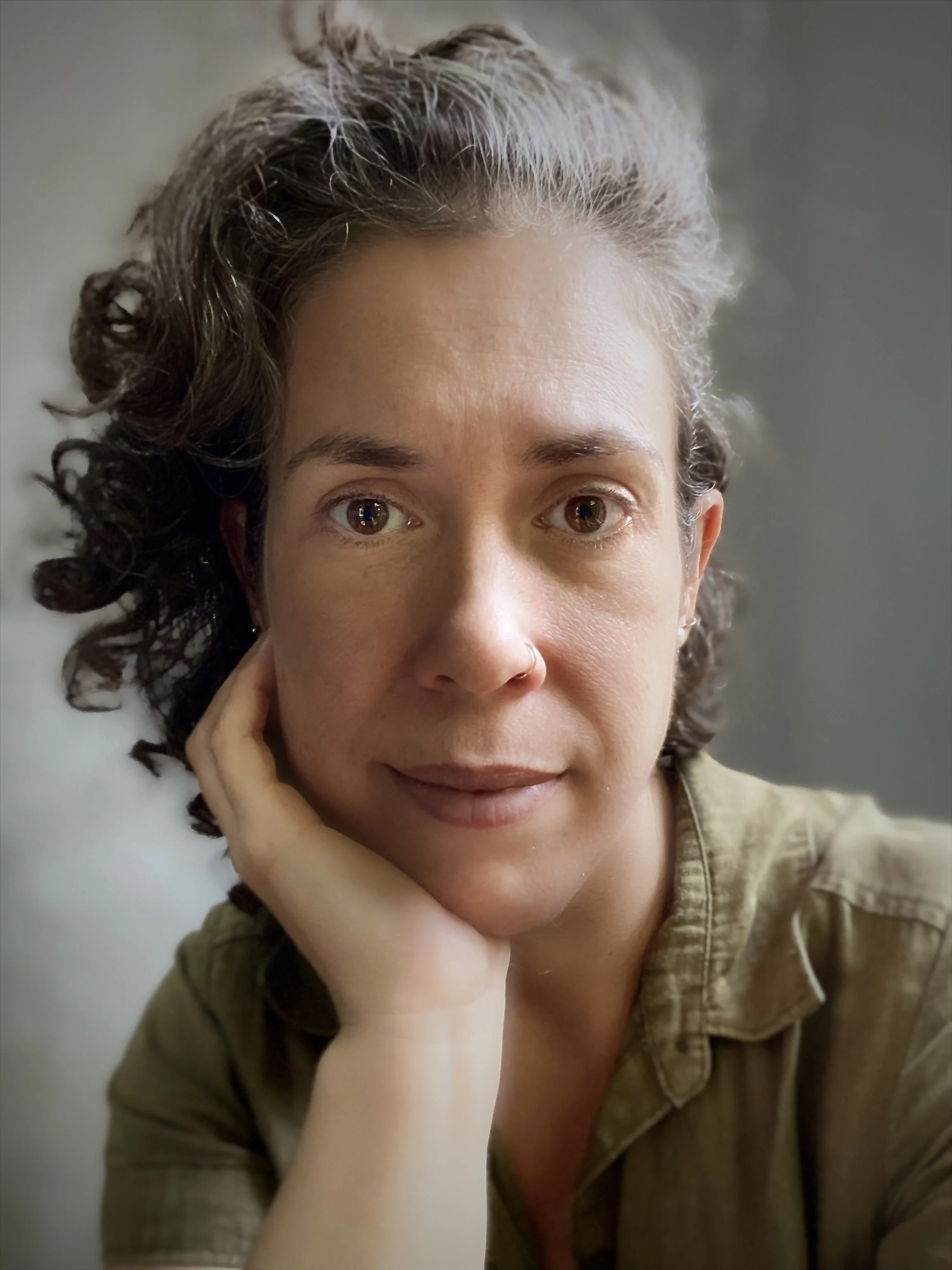
My name is Monique McGrath, and I grew up in Petit-Rocher. Where I’m from, people often introduce themselves by their parents, so I’m “la fille à Nicole,” Nicole’s daughter. My mother, a teacher and passionate quilter, also played the piano. She taught me what resilience and mutual support really mean.
I’m a pianist, and music has always been part of my life. If you’re a musician or an artist, we might understand each other easily. I have a master’s degree in music therapy and a master’s degree in ethnomusicology.
My studies and my regular trips between Uganda and the Maritimes led me to an interest in decolonization: understanding how history marks communities, and how they keep healing and rebuilding. It’s the same lens I bring to Acadian history.
Training and registration
Registered Counselling Therapist, registered with the College of Counselling Therapists of New Brunswick (LCT-C 22-061)
Accredited Music Therapist (MTA)
EMDR: Center for Excellence in EMDR Therapy (EMDRIA-approved training)
CBT and trauma-informed counselling: Wilfrid Laurier University
I offer my services online, in English or French, to people who live in New Brunswick.
If you need help right now
I don’t offer emergency services, and I reply to messages within one to two business days. If you’re in crisis or thinking about hurting yourself, don’t wait: call or text 988 (suicide crisis helpline, day and night, in English or French). You can also reach the Chimo Helpline at 1-800-667-5005, or Kids Help Phone at 1-800-668-6868. If your life or someone else’s is in danger, call 911 or go to the nearest emergency room.
Whenever you’re ready, we can begin
Send me a few words using the form below. I'll reply within one to two business days, and we'll see together if we're a good fit. You can write in French or English, whichever you prefer.